Have you noticed a bony protrusion on the side of your big toe? If so, you may have developed the foot condition known as a bunion. Don't let bunions interfere with your daily activities.
Have you noticed a bony protrusion on the side of your big toe? If so, you may have developed the foot condition known as a bunion. Don't let bunions interfere with your daily activities.
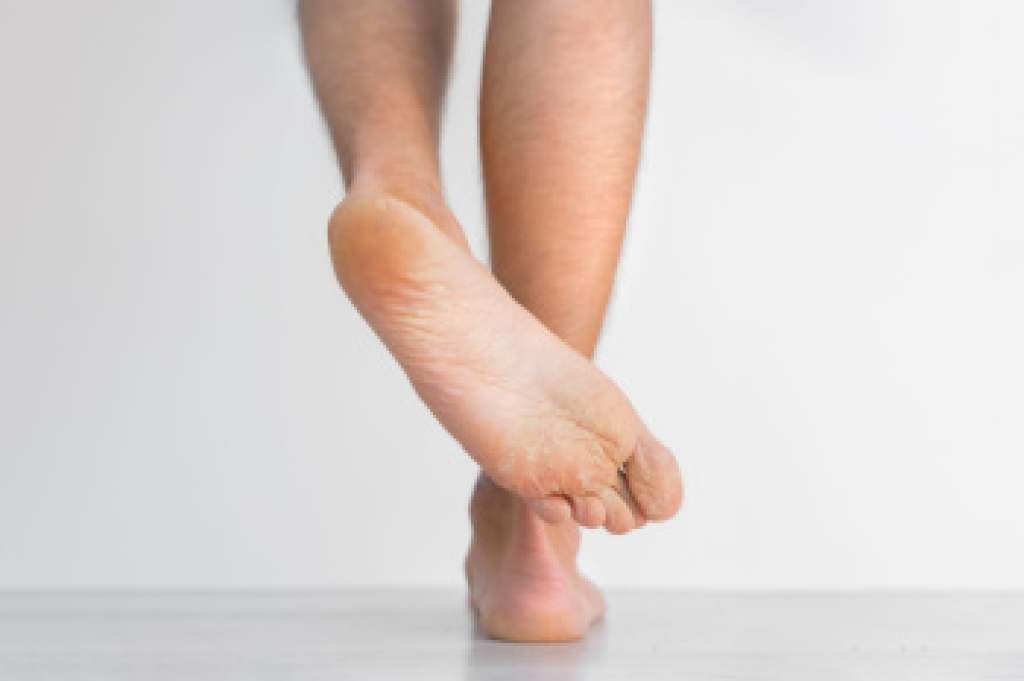
Athlete’s foot is a fungal infection that affects the skin of the feet, especially between the toes and along the soles. It is caused by fungi that thrive in warm, moist environments, including locker rooms, sweaty shoes, and public shower areas. The skin may look red, scaly, or cracked, and in some cases may appear white and soggy between the toes. It often feels itchy, with discomfort that can worsen after activity. Some people also experience dryness or painful fissures. A podiatrist can help from the start by accurately diagnosing the condition and confirming that symptoms are not related to other skin disorders. Treatment may begin with prescriptions or medical grade antifungal therapies, skin care guidance, and hygiene education. Care can then move into preventive strategies, footwear recommendations, and ongoing management to reduce recurrence and protect skin health. If you are dealing with persistent athlete’s foot, it is suggested that you make an appointment with a podiatrist.
Athlete’s foot is an inconvenient condition that can be easily reduced with the proper treatment. If you have any concerns about your feet and ankles, contact Dr. Thomas Madden from Advanced Foot Care Center. Our doctor will treat your foot and ankle needs.
Athlete’s Foot: The Sole Story
Athlete's foot, also known as tinea pedis, can be an extremely contagious foot infection. It is commonly contracted in public changing areas and bathrooms, dormitory style living quarters, around locker rooms and public swimming pools, or anywhere your feet often come into contact with other people.
Solutions to Combat Athlete’s Foot
Athlete’s foot can cause many irritating symptoms such as dry and flaking skin, itching, and redness. Some more severe symptoms can include bleeding and cracked skin, intense itching and burning, and even pain when walking. In the worst cases, Athlete’s foot can cause blistering as well. Speak to your podiatrist for a better understanding of the different causes of Athlete’s foot, as well as help in determining which treatment options are best for you.
If you have any questions please feel free to contact our office located in Killeen, TX . We offer the newest diagnostic and treatment technologies for all your foot and ankle needs.

Foot and ankle biomechanics play a vital role in the efficiency of walking and running. Proper movement of the hindfoot allows shock absorption and alignment at initial contact, while the midfoot provides stability and adapts to surface changes. The forefoot then generates propulsion and forward momentum during toe off. When these regions do not work together effectively, poor foot biomechanics can develop leading to decreased performance in sports and everyday life and a higher risk of lower extremity injuries, such as plantar fasciitis, shin splints, and knee pain. A podiatrist can evaluate gait mechanics, identify imbalances, and recommend custom orthotics, footwear guidance, and targeted treatment to improve function and reduce injury risk. If you have foot pain from walking or running, it is suggested that you consult a podiatrist who can treat various foot conditions, and guide you on suitable footwear for your desired activity.
If you have any concerns about your feet, contact Dr. Thomas Madden from Advanced Foot Care Center. Our doctor can provide the care you need to keep you pain-free and on your feet.
Biomechanics in Podiatry
Podiatric biomechanics is a particular sector of specialty podiatry with licensed practitioners who are trained to diagnose and treat conditions affecting the foot, ankle and lower leg. Biomechanics deals with the forces that act against the body, causing an interference with the biological structures. It focuses on the movement of the ankle, the foot and the forces that interact with them.
A History of Biomechanics
Modern technological improvements are based on past theories and therapeutic processes that provide a better understanding of podiatric concepts for biomechanics. Computers can provide accurate information about the forces and patterns of the feet and lower legs.
Understanding biomechanics of the feet can help improve and eliminate pain, stopping further stress to the foot.
If you have any questions please feel free to contact our office located in Killeen, TX . We offer the newest diagnostic and treatment technologies for all your foot and ankle needs.

Gout is a type of arthritis that occurs when uric acid crystals accumulate in the joints, causing sudden and intense pain. Although often associated with men, women are also affected, particularly after menopause when changes in hormone levels can increase uric acid levels. Symptoms include swelling, redness, warmth, and sharp pain, most commonly in the big toe or other foot joints. Causes may include genetics, diet, obesity, certain medications, and underlying medical conditions. Left untreated, gout can lead to joint damage and decreased mobility. A podiatrist can evaluate symptoms, confirm a diagnosis, and provide treatment strategies including medication management, lifestyle guidance, and foot care to prevent flare-ups. If you have pain in the big toe, it is suggested that you consult a podiatrist who can provide an accurate diagnosis and treatment.
Gout is a foot condition that requires certain treatment and care. If you are seeking treatment, contact Dr. Thomas Madden from Advanced Foot Care Center. Our doctor will treat your foot and ankle needs.
What Is Gout?
Gout is a type of arthritis caused by a buildup of uric acid in the bloodstream. It often develops in the foot, especially the big toe area, although it can manifest in other parts of the body as well. Gout can make walking and standing very painful and is especially common in diabetics and the obese.
People typically get gout because of a poor diet. Genetic predisposition is also a factor. The children of parents who have had gout frequently have a chance of developing it themselves.
Gout can easily be identified by redness and inflammation of the big toe and the surrounding areas of the foot. Other symptoms include extreme fatigue, joint pain, and running high fevers. Sometimes corticosteroid drugs can be prescribed to treat gout, but the best way to combat this disease is to get more exercise and eat a better diet.
If you have any questions, please feel free to contact our office located in Killeen, TX . We offer the newest diagnostic and treatment technologies for all your foot care needs.

Curved nails are a condition where the nail plate bends inward as it grows, creating a rounded or pinched appearance at the edges. This differs from ingrown toenails, which occur when the nail edge breaks into the surrounding skin and causes inflammation. Curved nails may develop due to genetic tendencies, repetitive pressure, fungal infection, or underlying medical issues such as a thyroid disorder. Symptoms often include nail thickening, discoloration, tenderness, and difficulty trimming the nail properly. Risk factors include poor circulation, wearing improper footwear, chronic moisture, and systemic health conditions. A podiatrist can evaluate the nail structure, treat fungal causes, address contributing health concerns, and provide safe nail care solutions. If curved or ingrown nails are causing discomfort, it is suggested that you consult a podiatrist who can provide effective relief solutions.
Ingrown toenails can become painful if they are not treated properly. For more information about ingrown toenails, contact Dr. Thomas Madden of Advanced Foot Care Center. Our doctor can provide the care you need to keep you pain-free and on your feet.
Ingrown Toenails
Ingrown toenails occur when a toenail grows sideways into the bed of the nail, causing pain, swelling, and possibly infection.
Causes
Prevention
Wearing proper fitting shoes and using proper cutting techniques will also help decrease your risk of developing ingrown toenails.
Treatment
Ingrown toenails are a very treatable foot condition. In minor cases, soaking the affected area in salt or antibacterial soaps will not only help with the ingrown nail itself, but also help prevent any infections from occurring. In more severe cases, surgery is an option. In either case, speaking to your podiatrist about this condition will help you get a better understanding of specific treatment options that are right for you.
If you have any questions, please feel free to contact our office located in Killeen, TX . We offer the newest diagnostic and treatment technologies for all your foot care needs.