
Blog

Pickleball and the Risk to Your Feet

Pickleball has become a favorite pastime in recent years, especially among adults looking for a social and active sport. Despite its friendly image, the game places repeated stress on the feet and ankles. Quick lateral movements, sudden stops, and short bursts of speed can strain tendons and joints. Studies and clinical experience show that injuries are seen more often in older players, particularly men. Severe tendon damage near the heel is frequently diagnosed, along with ankle sprains, plantar fascia strain, and stress injuries. Wearing court-specific shoes, warming up properly, and allowing time for recovery can help reduce injury risk. Listening to early pain signals is also important, since playing through discomfort often leads to longer setbacks. If foot or ankle pain develops during pickleball play, it is suggested that you seek evaluation by a podiatrist to help you identify the cause and guide treatment.

Sports related foot and ankle injuries require proper treatment before players can go back to their regular routines. For more information, contact Dr. Thomas Madden of Advanced Foot Care Center. Our doctor can provide the care you need to keep you pain-free and on your feet.

Sports Related Foot and Ankle Injuries

Foot and ankle injuries are a common occurrence when it comes to athletes of any sport. While many athletes dismiss the initial aches and pains, the truth is that ignoring potential foot and ankle injuries can lead to serious problems. As athletes continue to place pressure and strain the area further, a mild injury can turn into something as serious as a rupture and may lead to a permanent disability. There are many factors that contribute to sports related foot and ankle injuries, which include failure to warm up properly, not providing support or wearing bad footwear. Common injuries and conditions athletes face, including:

  • Plantar Fasciitis
  • Achilles Tendinitis
  • Achilles Tendon Rupture
  • Ankle Sprains

Sports related injuries are commonly treated using the RICE method. This includes rest, applying ice to the injured area, compression and elevating the ankle. More serious sprains and injuries may require surgery, which could include arthroscopic and reconstructive surgery. Rehabilitation and therapy may also be required in order to get any recovering athlete to become fully functional again. Any unusual aches and pains an athlete sustains must be evaluated by a licensed, reputable medical professional.

If you have any questions please contact our office located in Killeen, TX . We offer the newest diagnostic and treatment technologies for all your foot and ankle needs.

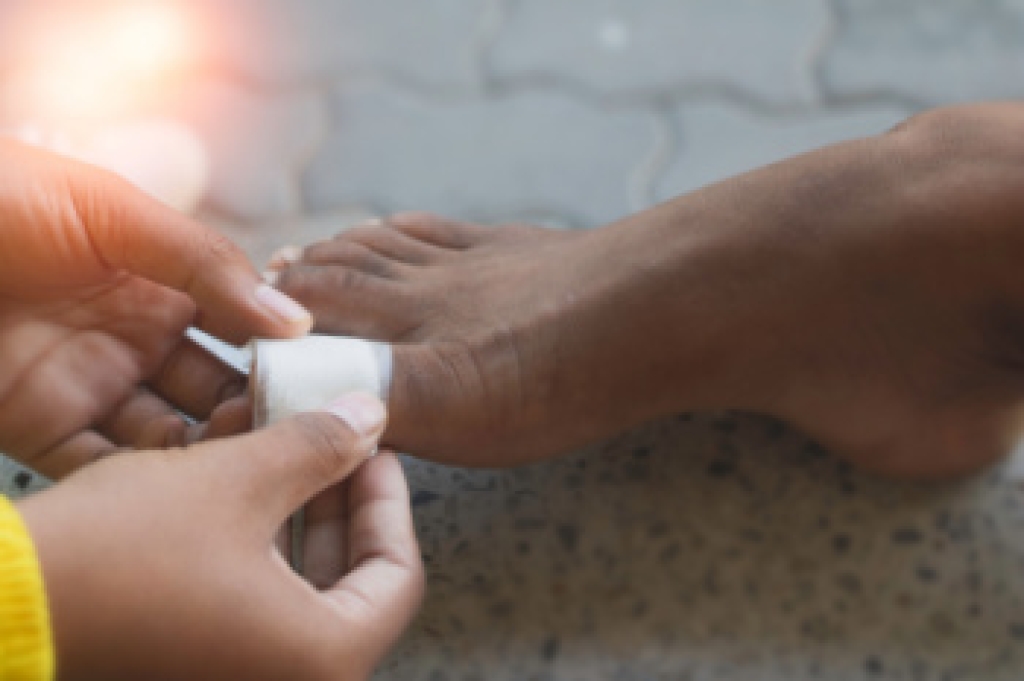
Read more about Sports Related Foot And Ankle Injuries

Gout Pain Can Be Managed

Gout is a painful, inflammatory form of arthritis. Those affected will typically feel an intense stiffness in the joints of their feet, particularly in the big toe. Schedule a visit to learn about how gout can be managed and treated.

Risk Factors for Blisters on the Feet

Blisters on the feet develop when repeated friction, pressure, or moisture damages the outer layers of skin. Common risk factors include poorly fitting shoes, stiff seams, increased walking or running volume, and sudden changes in activity. Excess moisture from sweating can soften skin, making it vulnerable to breakdown, while dry skin may crack and shear. Foot shape concerns like bunions, hammertoes, or prominent bones can increase pressure points, and gait issues can cause uneven rubbing in specific areas. Medical factors also play a role, including diabetes, circulation concerns, and reduced sensation, which can allow skin damage to progress unnoticed. A podiatrist can evaluate footwear fit, foot structure, and walking mechanics, address underlying deformities, and manage skin health. For help dealing with foot blisters, it is suggested that you make an appointment with a podiatrist for an exam, diagnosis, and treatment.

Blisters are prone to making everyday activities extremely uncomfortable. If your feet are hurting, contact Dr. Thomas Madden of Advanced Foot Care Center. Our doctor can provide the care you need to keep you pain-free and on your feet.

Foot Blisters

Foot blisters develop as a result of constantly wearing tight or ill-fitting footwear. This happens due to the constant rubbing from the shoe, which can often lead to pain.

What Are Foot Blisters?

A foot blister is a small fluid-filled pocket that forms on the upper-most layer of the skin. Blisters are filled with clear fluid and can lead to blood drainage or pus if the area becomes infected.

How Do Blisters Form?

Blisters on the feet are often the result of constant friction of skin and material, usually by shoe rubbing. Walking in sandals, boots, or shoes that don’t fit properly for long periods of time can result in a blister. Having consistent foot moisture and humidity can easily lead to blister formation.

Prevention & Treatment

It is important to properly care for the affected area in order to prevent infection and ease the pain. Do not lance the blister and use a Band-Aid to provide pain relief. Also, be sure to keep your feet dry and wear proper fitting shoes. If you see blood or pus in a blister, seek assistance from a podiatrist.

If you have any questions, please feel free to contact our office located in Killeen, TX . We offer the newest diagnostic and treatment technologies for all your foot care needs.

Read more about Blisters

Keeping Comfortable With Bunions

Bunions are a common foot condition where the base of the big toe develops a bony bump as the top of the toe angles inward. They often look like a prominent protrusion on the side of the foot and can appear red or swollen from friction against shoes. Bunions can feel tender, stiff, or painful when walking or wearing tight footwear. Causes include inherited foot structure, arthritis, and shoes that crowd the toes. A podiatrist begins with a thorough evaluation, examining foot alignment, gait, and the extent of joint changes, often using imaging to assess severity. Treatment focuses on slowing progression and relieving discomfort and may include custom orthotics or padding to reduce pressure. Shoe modifications to provide proper space and support, and exercises to maintain flexibility and strength are further options. With early care, patients can prevent worsening pain and preserve mobility. If you have a bunion, it is suggested that you make an appointment with a podiatrist.

If you are suffering from bunion pain, contact Dr. Thomas Madden of Advanced Foot Care Center. Our doctor can provide the care you need to keep you pain-free and on your feet.

What Is a Bunion?

Bunions are painful bony bumps that usually develop on the inside of the foot at the joint of the big toe. As the deformity increases over time, it may become painful to walk and wear shoes. Women are more likely to exacerbate existing bunions since they often wear tight, narrow shoes that shift their toes together. Bunion pain can be relieved by wearing wider shoes with enough room for the toes.

Causes

  • Genetics – some people inherit feet that are more prone to bunion development
  • Inflammatory Conditions - rheumatoid arthritis and polio may cause bunion development

Symptoms

  • Redness and inflammation
  • Pain and tenderness
  • Callus or corns on the bump
  • Restricted motion in the big toe

In order to diagnose your bunion, your podiatrist may ask about your medical history, symptoms, and general health. Your doctor might also order an x-ray to take a closer look at your feet. Nonsurgical treatment options include orthotics, padding, icing, changes in footwear, and medication. If nonsurgical treatments don’t alleviate your bunion pain, surgery may be necessary.

If you have any questions, please feel free to contact our office located in Killeen, TX . We offer the newest diagnostic and treatment technologies for all your foot care needs.

Read more about Bunions

Common Causes of Toe Pain

Toe pain can arise from a variety of causes, ranging from minor injuries to underlying medical conditions. Wearing tight or poorly fitting shoes can compress the toes, leading to discomfort, corns, or calluses. Ingrown toenails occur when the nail grows into the surrounding skin, causing pain, swelling, and sometimes infection. Sprained or stubbed toes from accidental trauma can also result in pain and difficulty walking. Medical conditions like gout may cause sudden, intense pain, redness, and swelling in the toes. Risk factors include high-impact activities, improper footwear, previous injuries, and certain health conditions. If you have toe pain, it is suggested that you consult a podiatrist who can determine what the cause is, and offer appropriate treatment solutions.

Toe pain can disrupt your daily activities. If you have any concerns, contact Dr. Thomas Madden of Advanced Foot Care Center. Our doctor can provide the care you need to keep you pain-free and on your feet.

What Causes Toe Pain?

Most severe toe pain is caused due to a sports injury, trauma from dropping something heavy on the toe, or bumping into something rigid. Other problems can develop over time for various reasons.

Toe pain can be caused by one or more ailments. The most common include:

  • Trauma
  • Sports injury
  • Wearing shoes that are too tight
  • Arthritis
  • Gout
  • Corns and calluses
  • Hammertoe
  • Bunions
  • Blisters
  • Ingrown toenails
  • Sprains
  • Fractures (broken bones)
  • Dislocations

When to See a Podiatrist

  • Severe pain
  • Persistent pain that lasts more than a week
  • Signs of infection
  • Continued swelling
  • Pain that prevents walking

Diagnosis

In many cases the cause of toe pain is obvious, but in others, a podiatrist may want to use more advanced methods to determine the problem. These can range from simple visual inspections and sensation tests to X-rays and MRI scans. Prior medical history, family medical history, and any recent physical traumatic events will all be taken into consideration for a proper diagnosis.

Treatment

Treatments for toe pain and injuries vary and may include shoe inserts, padding, taping, medicines, injections, and in some cases, surgery. If you believe that you have broken a toe, please see a podiatrist as soon as possible.

If you have any questions please contact our office located in Killeen, TX . We offer the newest diagnostic and treatment technologies for all your foot and ankle needs.

Read more about Toe Pain
Connect with us