If you are suffering from tenderness, pain, or stiffness in the joints of your feet or ankles, call us to schedule an appointment.
If you are suffering from tenderness, pain, or stiffness in the joints of your feet or ankles, call us to schedule an appointment.

Preventing falls is an important part of maintaining independence and overall health, especially as balance and strength change with age. Improving balance through activities such as tai chi can strengthen muscles, increase flexibility, and enhance body awareness. Regular physical activity also supports improved fitness, coordination, and stability, which may reduce the risk of falls. Proper foot care and wearing supportive footwear also play an important role in maintaining safe movement and balance. Foot pain, structural changes, or instability can increase the likelihood of losing balance while walking. A podiatrist can evaluate foot structure, recommend supportive footwear, and provide treatments that improve stability and comfort. If you have sustained a foot or ankle injury from falling, it is suggested that you consult a podiatrist who can offer effective treatment and prevention tips.
Preventing falls among the elderly is very important. If you are older and have fallen or fear that you are prone to falling, consult with Dr. Thomas Madden from Advanced Foot Care Center. Our doctor will assess your condition and provide you with quality advice and care.
Every 11 seconds, an elderly American is being treated in an emergency room for a fall related injury. Falls are the leading cause of head and hip injuries for those 65 and older. Due to decreases in strength, balance, senses, and lack of awareness, elderly persons are very susceptible to falling. Thankfully, there are a number of things older persons can do to prevent falls.
How to Prevent Falls
Some effective methods that older persons can do to prevent falls include:
Falling can be a traumatic and embarrassing experience for elderly persons; this can make them less willing to leave the house, and less willing to talk to someone about their fears of falling. Doing such things, however, will increase the likelihood of tripping or losing one’s balance. Knowing the causes of falling and how to prevent them is the best way to mitigate the risk of serious injury.
If you have any questions, please feel free to contact our office located in Killeen, TX . We offer the newest diagnostic and treatment technologies for all your foot care needs.

Mechanical foot pain develops when the structures of the foot are placed under repeated stress or load. This type of pain often comes from how the foot moves, bears weight, or absorbs impact. Common causes include overuse, wearing poor footwear, loss of arch support, uneven pressure during walking, and muscle or tendon imbalance. Flat feet or high arches can also increase strain on certain areas, leading to soreness or sharp pain with activity. Symptoms often worsen with standing or walking, and improve with rest. Management focuses on reducing stress and improving function. Supportive shoes, custom orthotics, stretching, and activity modification can help relieve symptoms and prevent recurrence. Early attention to discomfort can stop small issues from becoming chronic problems. If foot pain continues despite basic care, it is suggested that you see a podiatrist for evaluation and personalized treatment.
Foot Pain
Foot pain can be extremely painful and debilitating. If you have a foot pain, consult with Dr. Thomas Madden from Advanced Foot Care Center. Our doctor will assess your condition and provide you with quality foot and ankle treatment.
Causes
Foot pain is a very broad condition that could be caused by one or more ailments. The most common include:
Diagnosis
To figure out the cause of foot pain, podiatrists utilize several different methods. This can range from simple visual inspections and sensation tests to X-rays and MRI scans. Prior medical history, family medical history, and any recent physical traumatic events will all be taken into consideration for a proper diagnosis.
Treatment
Treatment depends upon the cause of the foot pain. Whether it is resting, staying off the foot, or having surgery; podiatrists have a number of treatment options available for foot pain.
If you have any questions, please feel free to contact our office located in Killeen, TX . We offer the newest diagnostic and treatment technologies for all your foot care needs.
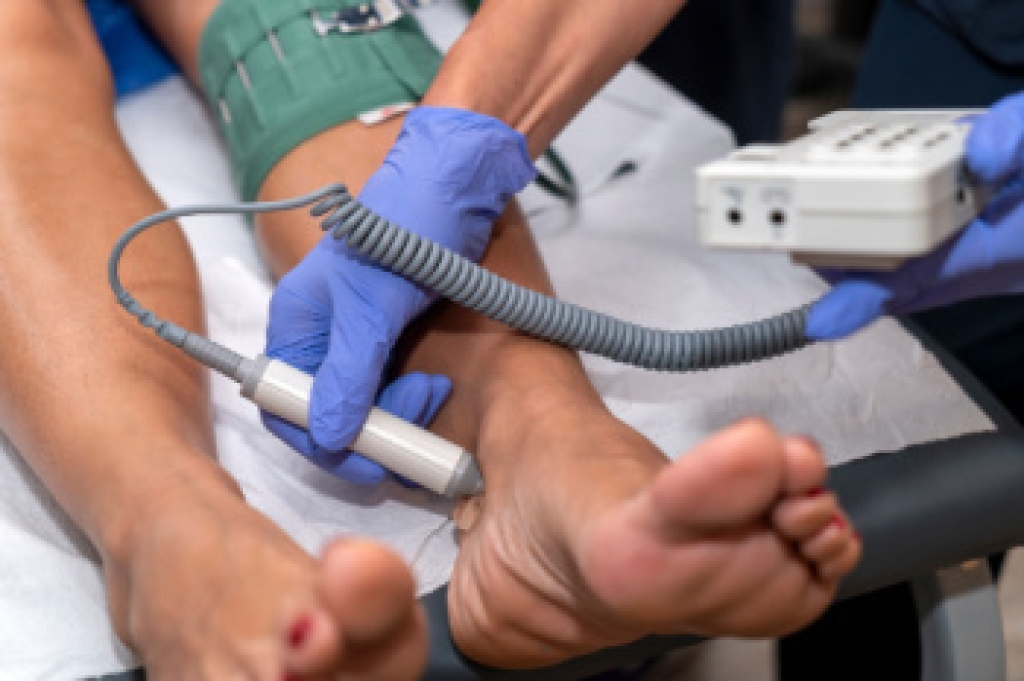
A vascular exam allows a podiatrist to assess how well blood is flowing to the feet and ankles. The exam often begins with observation of skin color, temperature, swelling, and changes in hair or nail growth that may signal reduced circulation. Pulses on the top of the foot and near the ankle are gently felt to evaluate arterial flow. The podiatrist gently presses on the skin of the toes to observe how quickly normal color returns, which reflects small vessel function. In some cases, a handheld device is used to listen to blood flow more clearly. These findings help identify circulation concerns that may affect healing, nerve health, or skin integrity. Vascular assessment is especially important for individuals with diabetes, wounds, leg pain, or slow-healing sores. If changes in foot color, temperature, or healing are noticed, it is suggested that you see a podiatrist for further evaluation and appropriate care.
Vascular testing plays an important part in diagnosing disease like peripheral artery disease. If you have symptoms of peripheral artery disease, or diabetes, consult with Dr. Thomas Madden from Advanced Foot Care Center. Our doctor will assess your condition and provide you with quality foot and ankle treatment.
What Is Vascular Testing?
Vascular testing checks for how well blood circulation is in the veins and arteries. This is most often done to determine and treat a patient for peripheral artery disease (PAD), stroke, and aneurysms. Podiatrists utilize vascular testing when a patient has symptoms of PAD or if they believe they might. If a patient has diabetes, a podiatrist may determine a vascular test to be prudent to check for poor blood circulation.
How Is it Conducted?
Most forms of vascular testing are non-invasive. Podiatrists will first conduct a visual inspection for any wounds, discoloration, and any abnormal signs prior to a vascular test.
The most common tests include:
These tests are safe, painless, and easy to do. Once finished, the podiatrist can then provide a diagnosis and the best course for treatment.
If you have any questions please contact our office located in Killeen, TX . We offer the newest diagnostic and treatment technologies for all your foot and ankle needs.
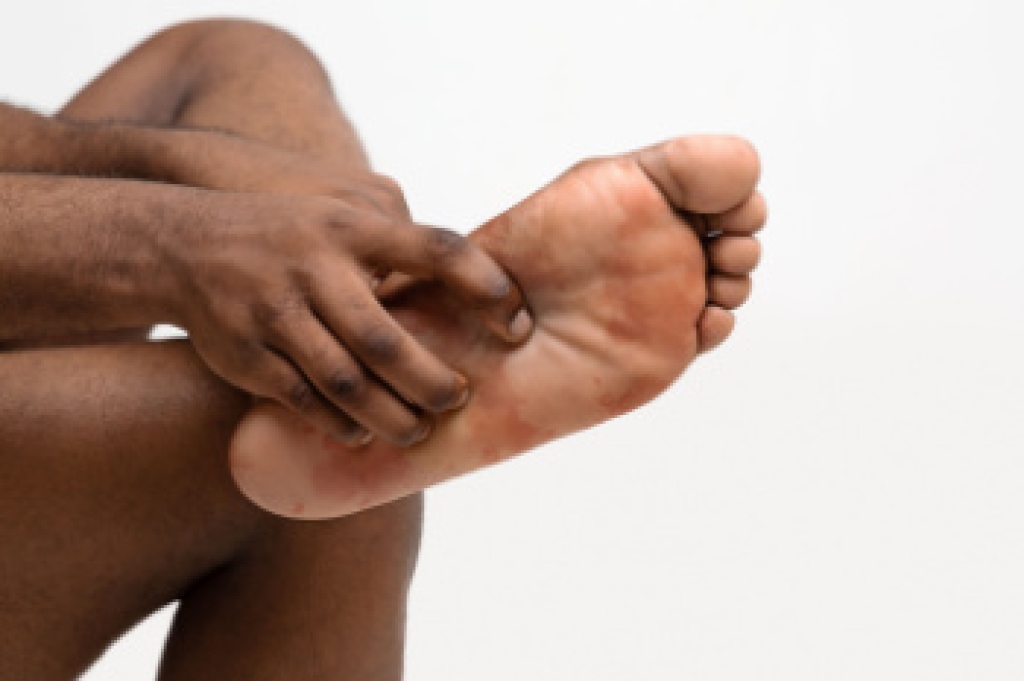
Plantar fasciitis is a common cause of heel pain that occurs when the thick band of tissue along the bottom of the foot becomes inflamed or irritated. It is often caused by overuse, high-impact activity, or wearing improper footwear that places strain on the plantar fascia. Symptoms include sharp or aching pain in the heel, particularly with the first steps in the morning or after sitting for long periods. The foot may look normal, though mild swelling or tenderness can appear along the arch, and it can feel stiff, sore, or sensitive while walking or standing. A podiatrist can help by starting with a thorough examination and sometimes imaging tests to confirm the diagnosis and rule out other conditions. Treatment may include footwear adjustments, custom orthotics, targeted exercises to stretch and strengthen the fascia, and anti-inflammatory care. If you have plantar fasciitis, it is suggested that you schedule an appointment with a podiatrist for appropriate treatment.
Plantar fasciitis is a common foot condition that is often caused by a strain injury. If you are experiencing heel pain or symptoms of plantar fasciitis, contact Dr. Thomas Madden from Advanced Foot Care Center. Our doctor can provide the care you need to keep you pain-free and on your feet.
What Is Plantar Fasciitis?
Plantar fasciitis is one of the most common causes of heel pain. The plantar fascia is a ligament that connects your heel to the front of your foot. When this ligament becomes inflamed, plantar fasciitis is the result. If you have plantar fasciitis you will have a stabbing pain that usually occurs with your first steps in the morning. As the day progresses and you walk around more, this pain will start to disappear, but it will return after long periods of standing or sitting.
What Causes Plantar Fasciitis?
There are some risk factors that may make you more likely to develop plantar fasciitis compared to others. The condition most commonly affects adults between the ages of 40 and 60. It also tends to affect people who are obese because the extra pounds result in extra stress being placed on the plantar fascia.
Prevention
There are a variety of treatment options available for plantar fasciitis along with the pain that accompanies it. Additionally, physical therapy is a very important component in the treatment process. It is important that you meet with your podiatrist to determine which treatment option is best for you.
If you have any questions, please feel free to contact our office located in Killeen, TX . We offer the newest diagnostic and treatment technologies for all your foot care needs.