Plantar warts are small growths that develop on parts of the feet that bear weight. They're typically found on the bottom of the foot. Don't live with plantar warts, and call us today!
Plantar warts are small growths that develop on parts of the feet that bear weight. They're typically found on the bottom of the foot. Don't live with plantar warts, and call us today!
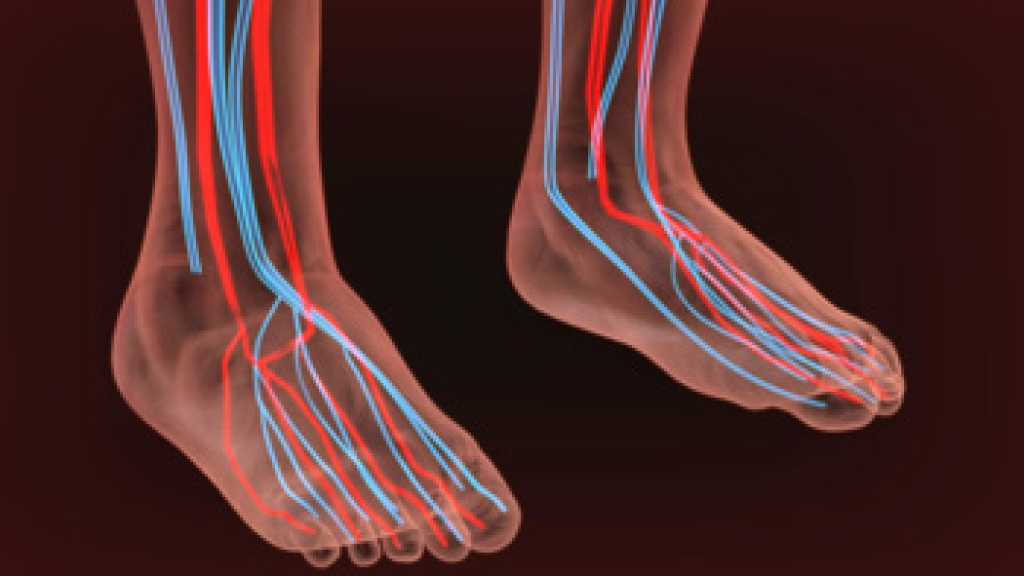
Poor circulation can affect the feet and ankles in ways that make daily life uncomfortable, and, at times, risky. Blood flow depends on arteries and veins, which have different roles. Arteries carry oxygen-rich blood from the heart to the tissues, while veins return blood back to the heart. When arteries are narrowed, the feet may feel cold, painful, or tired, especially during walking. When veins do not work properly, blood can pool in the lower legs, leading to swelling, heaviness, and skin changes. Both problems can increase the risk of slow healing and infection. People may notice discoloration, numbness, or wounds that take longer to improve. A podiatrist can help identify circulation concerns, monitor skin health, and guide care to reduce complications. If you have symptoms of poor circulation such as foot pain, swelling, or slow-healing wounds, it is suggested that you seek care from a podiatrist.
While poor circulation itself isn’t a condition; it is a symptom of another underlying health condition you may have. If you have any concerns with poor circulation in your feet contact Dr. Thomas Madden of Advanced Foot Care Center. Our doctor will treat your foot and ankle needs.
Poor Circulation in the Feet
Peripheral artery disease (PAD) can potentially lead to poor circulation in the lower extremities. PAD is a condition that causes the blood vessels and arteries to narrow. In a linked condition called atherosclerosis, the arteries stiffen up due to a buildup of plaque in the arteries and blood vessels. These two conditions can cause a decrease in the amount of blood that flows to your extremities, therefore resulting in pain.
Symptoms
Some of the most common symptoms of poor circulation are:
Treatment for poor circulation often depends on the underlying condition that causes it. Methods for treatment may include insulin for diabetes, special exercise programs, surgery for varicose veins, or compression socks for swollen legs.
As always, see a podiatrist as he or she will assist in finding a regimen that suits you. A podiatrist can also prescribe you any needed medication.
If you have any questions, please feel free to contact our office located in Killeen, TX . We offer the newest diagnostic and treatment technologies for all your foot care needs.
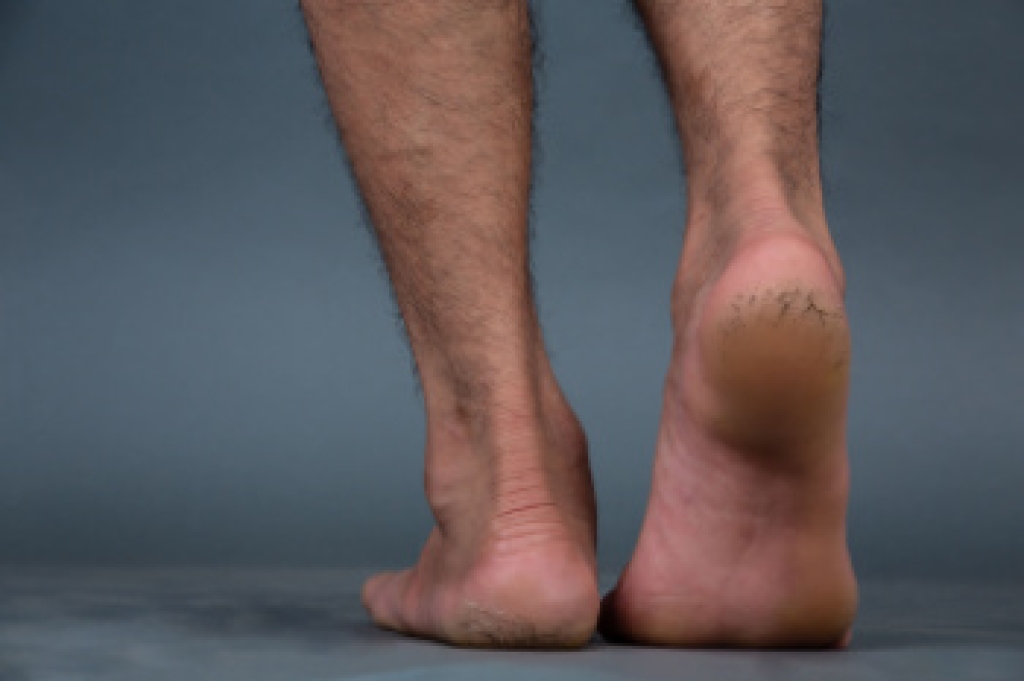
Cracked heels develop when the skin on the heel becomes dry, thickened, and splits, sometimes leading to pain or bleeding. This often happens when the skin loses moisture and elasticity. Causes include diet deficiencies that affect skin health, use of harsh soaps that strip natural oils, and exposure to cold weather that dries the skin. Additional factors such as being overweight and walking or standing for long periods of time can increase pressure on the heels and worsen cracking. Risk factors include poor hydration, inadequate foot care, and wearing open back shoes. A podiatrist can help by treating damaged skin, recommending proper care, and preventing infection. If you have painful or persistent cracked heels, it is suggested that you consult a podiatrist who can offer appropriate relief tips, which may include prescribed medication.
Cracked heels are unsightly and can cause further damage to your shoes and feet. If you have any concerns, contact Dr. Thomas Madden from Advanced Foot Care Center. Our doctor can provide the care you need to keep you pain-free and on your feet.
Cracked Heels
Cracked heels appear unappealing and can make it harder for you walk around in sandals. Aside from looking unpleasant, cracked heels can also tear stockings, socks, and wear out your shoes. There are several methods to help restore a cracked heel and prevent further damage.
How Do You Get Them?
Dry skin is the number one culprit in creating cracked heels. Many athletes, walkers, joggers, and even swimmers suffer from cracked heels. Age and skin oil production play a role to getting cracked heels as well.
Promote Healing
Over the counter medicines can help, especially for those that need instant relief or who suffer from chronic dry feet.
Wear Socks – Wearing socks with medicated creams helps lock in moisture.
Moisturizers – Applying both day and night will help alleviate dryness which causes cracking.
Pumice Stones – These exfoliate and remove dead skin, which allows for smoother moisturizer application and better absorption into the skin.
Change in Diet
Eating healthy with a well-balanced diet will give the skin a fresh and radiant look. Your body responds to the kinds of food you ingest. Omega-3 fatty acids and zinc supplements can also revitalize skin tissue.
Most importantly, seek professional help if unsure how to proceed in treating cracked heels. A podiatrist will help you with any questions or information needed.
If you have any questions, please feel free to contact our office located in Killeen, TX . We offer the newest diagnostic and treatment technologies for all your foot care needs.
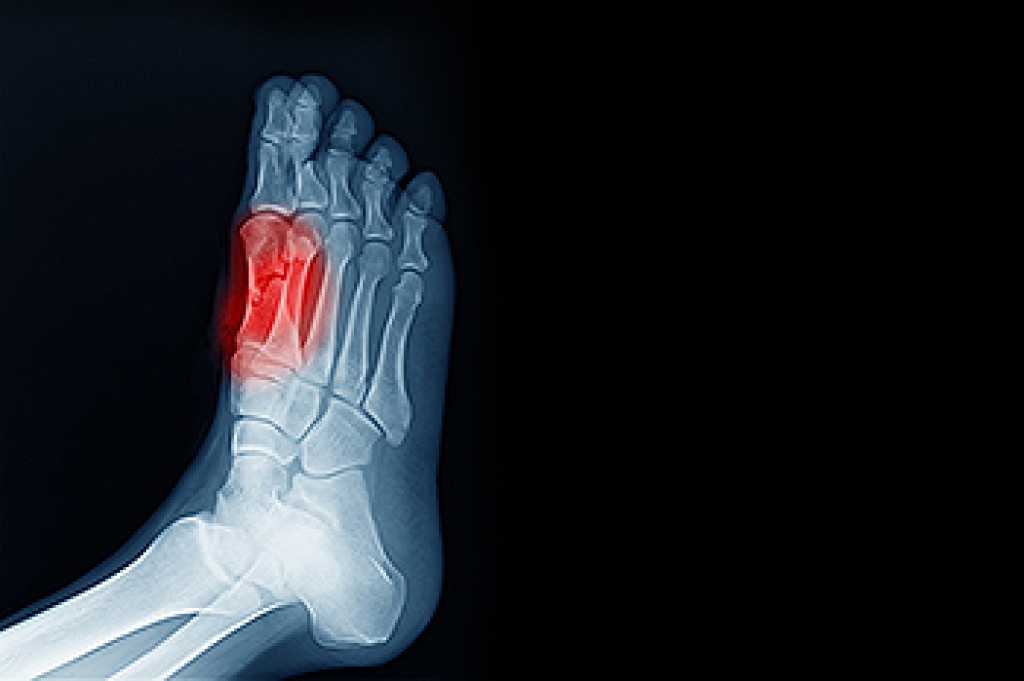
Sesamoiditis affects the small sesamoid bones located beneath the big toe joint. These bones help support movement and absorb pressure when walking and running. Sesamoiditis is considered a cause of pain and inflammation in the ball of the foot. Signs of this condition may include tenderness under the big toe joint, swelling, difficulty bending the toe, and discomfort during weight-bearing activity. Causes often involve repetitive stress, high-impact sports, or footwear that increases pressure on the forefoot. Risk factors include running, dancing, and wearing high-heeled shoes. A podiatrist can diagnose the condition and provide targeted treatment. If you have pain in this part of your foot, it is suggested that you consult a podiatrist who can diagnose the cause and provide appropriate relief and treatment solutions.
Sesamoiditis is an unpleasant foot condition characterized by pain in the balls of the feet. If you think you’re struggling with sesamoiditis, contact Dr. Thomas Madden of Advanced Foot Care Center. Our doctor will treat your condition thoroughly and effectively.
Sesamoiditis
Sesamoiditis is a condition of the foot that affects the ball of the foot. It is more common in younger people than it is in older people. It can also occur with people who have begun a new exercise program, since their bodies are adjusting to the new physical regimen. Pain may also be caused by the inflammation of tendons surrounding the bones. It is important to seek treatment in its early stages because if you ignore the pain, this condition can lead to more serious problems such as severe irritation and bone fractures.
Causes of Sesamoiditis
Treatment for sesamoiditis is non-invasive and simple. Doctors may recommend a strict rest period where the patient forgoes most physical activity. This will help give the patient time to heal their feet through limited activity. For serious cases, it is best to speak with your doctor to determine a treatment option that will help your specific needs.
If you have any questions, please feel free to contact our office located in Killeen, TX . We offer the newest diagnostic and treatment technologies for all your foot care needs.

Diabetes is a chronic metabolic condition that affects how the body regulates blood glucose levels and can lead to several complications that impact foot health. Over time, diabetes may cause nerve-related damage known as neuropathy, which reduces sensation in the feet and makes it difficult to detect injuries. Skin-related changes , including dryness, cracking, and thickened calluses that increase pressure on certain areas of the foot, may also develop. Poor circulation and reduced healing ability may allow minor irritation to progress into more serious wounds. A podiatrist can help monitor foot health, safely manage calluses, evaluate circulation, and provide guidance on proper foot care. If you have diabetes and foot concerns arise, it is strongly suggested that you care under the care of a podiatrist who can help you to manage this serious condition.
Diabetic foot care is important in preventing foot ailments such as ulcers. If you are suffering from diabetes or have any other concerns about your feet, contact Dr. Thomas Madden from Advanced Foot Care Center. Our doctor can provide the care you need to keep you pain-free and on your feet.
Diabetic Foot Care
Diabetes affects millions of people every year. The condition can damage blood vessels in many parts of the body, especially the feet. Because of this, taking care of your feet is essential if you have diabetes, and having a podiatrist help monitor your foot health is highly recommended.
The Importance of Caring for Your Feet
Patients with diabetes should have their doctor monitor their blood levels, as blood sugar levels play such a huge role in diabetic care. Monitoring these levels on a regular basis is highly advised.
It is always best to inform your healthcare professional of any concerns you may have regarding your feet, especially for diabetic patients. Early treatment and routine foot examinations are keys to maintaining proper health, especially because severe complications can arise if proper treatment is not applied.
If you have any questions, please feel free to contact our office located in Killeen, TX . We offer the newest diagnostic and treatment technologies for all your foot care needs.