Blog

Diabetic Foot Ulcers and Proper Wound Care

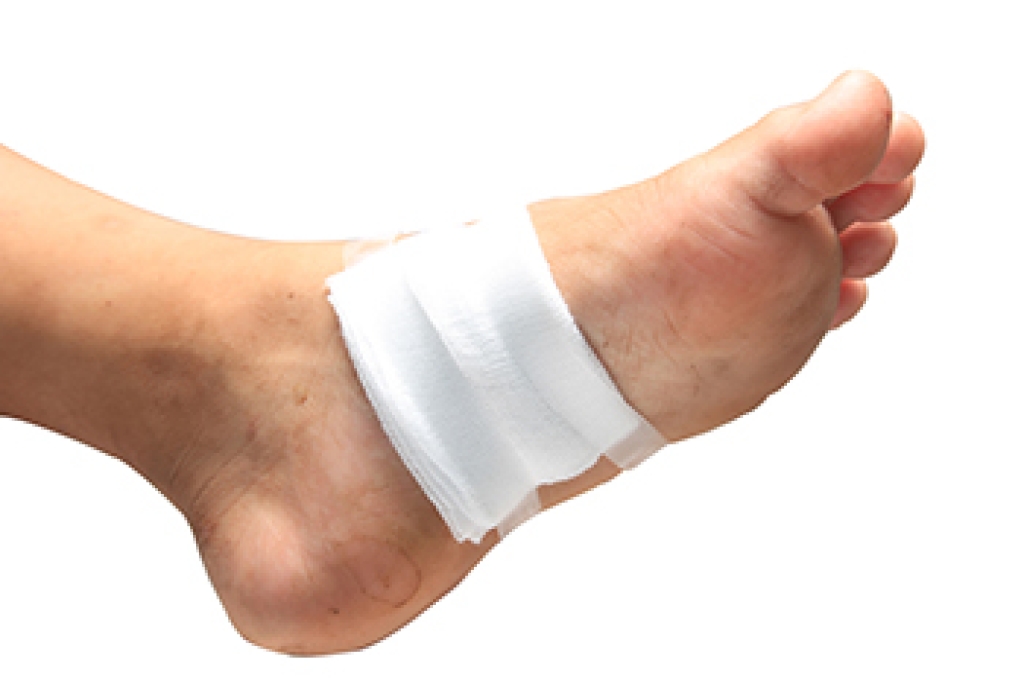
A diabetic foot ulcer is an open sore that develops on the foot of a person with diabetes. These wounds commonly form when nerve damage reduces feeling in the feet. A person may not notice a cut, blister, or scrape right away. Poor blood flow can also slow healing and increase the risk of infection. Diabetic foot ulcers are most likely to appear on the bottom of the foot or under pressure points. Symptoms include redness, swelling, drainage, and pain, but some people feel very little discomfort because of nerve damage. Early detection is important because untreated ulcers can become deeper and more difficult to manage.

Proper wound care plays a major role in helping a diabetic foot ulcer heal. A podiatrist carefully examines the wound and looks for signs of infection. Treatment includes cleaning the ulcer and removing dead or damaged tissue. This process is called debridement and helps healthy tissue heal more effectively. Dressings are used to protect the wound and maintain a healthy healing environment. Treatment also includes reducing pressure on the ulcer. This is known as off-loading. Special footwear, a walking boot, or other devices help keep weight away from the injured area while walking.

Managing diabetes is another important part of wound care. Good blood sugar control supports the body's ability to heal. In addition, patients should inspect their feet daily and report changes promptly. Signs of infection include redness, warmth, and drainage. Other signs include swelling, odor, or increasing pain. A podiatrist can monitor healing progress and adjust treatment when necessary. Prompt care lowers the risk of more serious complications, including loss of limb. If you have developed a foot ulcer as a result of diabetes, it is suggested that you are under the care of a podiatrist who can effectively treat foot wounds, and help you to manage this serious condition.

Wound care is an important part in dealing with diabetes. If you have diabetes and a foot wound or would like more information about wound care for diabetics, consult with Dr. Thomas Madden from Advanced Foot Care Center. Our doctor will assess your condition and provide you with quality foot and ankle treatment.

What Is Wound Care?

Wound care is the practice of taking proper care of a wound. This can range from the smallest to the largest of wounds. While everyone can benefit from proper wound care, it is much more important for diabetics. Diabetics often suffer from poor blood circulation which causes wounds to heal much slower than they would in a non-diabetic. 

What Is the Importance of Wound Care?

While it may not seem apparent with small ulcers on the foot, for diabetics, any size ulcer can become infected. Diabetics often also suffer from neuropathy, or nerve loss. This means they might not even feel when they have an ulcer on their foot. If the wound becomes severely infected, amputation may be necessary. Therefore, it is of the upmost importance to properly care for any and all foot wounds.

How to Care for Wounds

The best way to care for foot wounds is to prevent them. For diabetics, this means daily inspections of the feet for any signs of abnormalities or ulcers. It is also recommended to see a podiatrist several times a year for a foot inspection. If you do have an ulcer, run the wound under water to clear dirt from the wound; then apply antibiotic ointment to the wound and cover with a bandage. Bandages should be changed daily and keeping pressure off the wound is smart. It is advised to see a podiatrist, who can keep an eye on it.

If you have any questions please contact our office located in Killeen, TX . We offer the newest diagnostic and treatment technologies for all your foot and ankle needs.

Read more about Wound Care

Ease Painful Feet With Orthotics

Custom orthotics can be used to relieve foot pain and discomfort. They're also used to treat various foot conditions and deformities. Flat feet, bunions, and Morton's neuroma are just a few of the foot conditions that have been known to benefit from the use of orthotics.

Comfy feet are happy feet! Contact us today.

Understanding What Contributes to Falls

Falls can happen more easily when stabilizer muscles are weak, core strength is limited, or balance is reduced. All of these factors affect how the body responds to movement and uneven surfaces. Such challenges may increase the risk of injuries, including ankle sprains or even stress fractures in the feet. Improving strength through gentle exercise, practicing balance activities, and wearing supportive footwear can help reduce risk. Paying attention to changes in walking patterns or discomfort is also important. A podiatrist can assess foot structure, identify underlying concerns, and recommend treatment or orthotics to improve stability. If you have noticed changes in your balance or have foot and ankle pain from falling, it is suggested that you consult a podiatrist who can offer you effective treatment solutions and prevention tips.

Preventing falls among the elderly is very important. If you are older and have fallen or fear that you are prone to falling, consult with Dr. Thomas Madden from Advanced Foot Care Center. Our doctor will assess your condition and provide you with quality advice and care.

Every 11 seconds, an elderly American is being treated in an emergency room for a fall related injury. Falls are the leading cause of head and hip injuries for those 65 and older. Due to decreases in strength, balance, senses, and lack of awareness, elderly persons are very susceptible to falling. Thankfully, there are a number of things older persons can do to prevent falls.

How to Prevent Falls

Some effective methods that older persons can do to prevent falls include:

  • Enrolling in strength and balance exercise program to increase balance and strength
  • Periodically having your sight and hearing checked
  • Discuss any medications you have with a doctor to see if it increases the risk of falling
  • Clearing the house of falling hazards and installing devices like grab bars and railings
  • Utilizing a walker or cane
  • Wearing shoes that provide good support and cushioning
  • Talking to family members about falling and increasing awareness

Falling can be a traumatic and embarrassing experience for elderly persons; this can make them less willing to leave the house, and less willing to talk to someone about their fears of falling. Doing such things, however, will increase the likelihood of tripping or losing one’s balance. Knowing the causes of falling and how to prevent them is the best way to mitigate the risk of serious injury.  

If you have any questions, please feel free to contact our office located in Killeen, TX . We offer the newest diagnostic and treatment technologies for all your foot care needs.

Read more about Falls Prevention

5th Metatarsal Fractures Explained

A fracture of the fifth metatarsal is a break in the long bone on the outer side of the foot. This injury is common in athletes and dancers because of repeated stress, quick direction changes, and high impact activity. It may appear as pain along the outer foot, swelling, bruising, and difficulty walking or placing weight on the foot. Some fractures happen suddenly from a twist or fall, while others develop gradually from overuse. Because this area has a limited blood supply, proper evaluation is important for healing. A podiatrist can identify the type of fracture with imaging and determine the best course of treatment. Care may include immobilization or surgical support to ensure proper alignment and recovery. If you have a foot fracture, it is suggested that you consult a podiatrist who can offer the treatment that is best for you.

A broken foot requires immediate medical attention and treatment. If you need your feet checked, contact Dr. Thomas Madden from Advanced Foot Care Center. Our doctor can provide the care you need to keep you pain-free and on your feet.

Broken Foot Causes, Symptoms, and Treatment

A broken foot is caused by one of the bones in the foot typically breaking when bended, crushed, or stretched beyond its natural capabilities. Usually the location of the fracture indicates how the break occurred, whether it was through an object, fall, or any other type of injury. 

Common Symptoms of Broken Feet:

  • Bruising
  • Pain
  • Redness
  • Swelling
  • Blue in color
  • Numbness
  • Cold
  • Misshapen
  • Cuts
  • Deformities

Those that suspect they have a broken foot shoot seek urgent medical attention where a medical professional could diagnose the severity.

Treatment for broken bones varies depending on the cause, severity and location. Some will require the use of splints, casts or crutches while others could even involve surgery to repair the broken bones. Personal care includes the use of ice and keeping the foot stabilized and elevated.

If you have any questions, please feel free to contact our office located in Killeen, TX . We offer the newest diagnostic and treatment technologies for all your foot care needs.

Read more about Causes, Symptoms, and Treatment for a Broken Foot

Red Spots on the Feet

Red spots on the feet can be concerning and may have several causes, including athlete's foot or blisters. Athlete's foot often appears as red, flaky, or scaly patches, sometimes with cracking skin. It is caused by a fungal infection that thrives in warm, moist environments. It may feel itchy, burning, or irritated. Blisters are usually caused by friction from footwear or repetitive movement and may look like raised, fluid filled spots that feel tender, sore, or painful when walking. A podiatrist can help from the start by examining the skin, discussing symptoms, and determining whether the cause is fungal, mechanical, or related to another condition. Treatment may include antifungal medications, protective padding, blister care, or custom orthotics to reduce pressure. Early diagnosis helps prevent worsening symptoms and promotes faster healing and comfort. If you have suspicious red spots on your feet, it is suggested that you schedule an appointment with a podiatrist for effective relief solutions.

Athlete’s Foot

Athlete’s foot is often an uncomfortable condition to experience. Thankfully, podiatrists specialize in treating athlete’s foot and offer the best treatment options. If you have any questions about athlete’s foot, consult with Dr. Thomas Madden from Advanced Foot Care Center. Our doctor will assess your condition and provide you with quality treatment.

What Is Athlete’s Foot?

Tinea pedis, more commonly known as athlete’s foot, is a non-serious and common fungal infection of the foot. Athlete’s foot is contagious and can be contracted by touching someone who has it or infected surfaces. The most common places contaminated by it are public showers, locker rooms, and swimming pools. Once contracted, it grows on feet that are left inside moist, dark, and warm shoes and socks.

Prevention

The most effective ways to prevent athlete’s foot include:

  • Thoroughly washing and drying feet
  • Avoid going barefoot in locker rooms and public showers
  • Using shower shoes in public showers
  • Wearing socks that allow the feet to breathe
  • Changing socks and shoes frequently if you sweat a lot

Symptoms

Athlete’s foot initially occurs as a rash between the toes. However, if left undiagnosed, it can spread to the sides and bottom of the feet, toenails, and if touched by hand, the hands themselves. Symptoms include:

  • Redness
  • Burning
  • Itching
  • Scaly and peeling skin

Diagnosis and Treatment

Diagnosis is quick and easy. Skin samples will be taken and either viewed under a microscope or sent to a lab for testing. Sometimes, a podiatrist can diagnose it based on simply looking at it. Once confirmed, treatment options include oral and topical antifungal medications.

If you have any questions, please feel free to contact our office located in Killeen, TX . We offer the newest diagnostic and treatment technologies for all your foot care needs.

Read more about How to Deal with Athlete's Foot
Connect with us