You don't need an excuse to have beautiful nails. Step outside without worrying about the appearance of your feet.
You don't need an excuse to have beautiful nails. Step outside without worrying about the appearance of your feet.
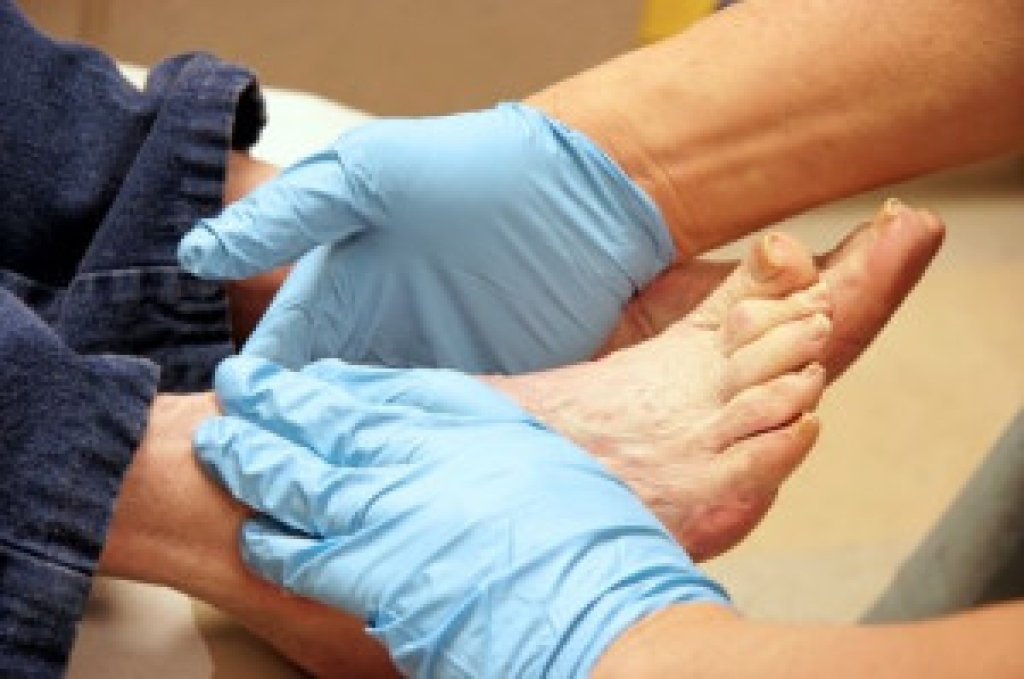
Diabetes is a chronic condition that affects how the body processes blood sugar, also known as glucose. When blood sugar levels remain elevated over time, it can damage blood vessels and nerves throughout the body. One of the most common complications is diabetic nerve pain, also called diabetic neuropathy. This condition often affects the feet and can interfere with normal sensation, making early detection and care essential for long term foot health.
Diabetic nerve pain develops when prolonged high blood sugar damages the nerves, especially in the lower extremities. This damage disrupts communication between the nerves and the brain, leading to abnormal sensations. Common symptoms include numbness, burning, and a pins and needles sensation in the feet. Some individuals may also experience sharp pain or increased sensitivity, while others may lose sensation entirely, increasing the risk of unnoticed injuries.
The causes of diabetes include insulin resistance, genetic factors, and lifestyle influences such as poor diet and lack of physical activity. Over time, uncontrolled blood sugar contributes directly to nerve damage. Diabetic neuropathy is more likely to develop in individuals who have had diabetes for many years or who struggle to maintain stable glucose levels. This makes consistent management a critical part of prevention.
Risk factors for diabetic nerve pain include long-term diabetes, high blood sugar levels, and poor circulation. Smoking and inactivity may further increase the risk. Proper foot care, regular checkups, and blood sugar control are essential to reducing complications. If you have diabetes and have developed foot neuropathy, it is strongly suggested that you are under the care of a podiatrist who can help you to manage this serious condition.
Diabetic foot care is important in preventing foot ailments such as ulcers. If you are suffering from diabetes or have any other concerns about your feet, contact Dr. Thomas Madden from Advanced Foot Care Center. Our doctor can provide the care you need to keep you pain-free and on your feet.
Diabetic Foot Care
Diabetes affects millions of people every year. The condition can damage blood vessels in many parts of the body, especially the feet. Because of this, taking care of your feet is essential if you have diabetes, and having a podiatrist help monitor your foot health is highly recommended.
The Importance of Caring for Your Feet
Patients with diabetes should have their doctor monitor their blood levels, as blood sugar levels play such a huge role in diabetic care. Monitoring these levels on a regular basis is highly advised.
It is always best to inform your healthcare professional of any concerns you may have regarding your feet, especially for diabetic patients. Early treatment and routine foot examinations are keys to maintaining proper health, especially because severe complications can arise if proper treatment is not applied.
If you have any questions, please feel free to contact our office located in Killeen, TX . We offer the newest diagnostic and treatment technologies for all your foot care needs.
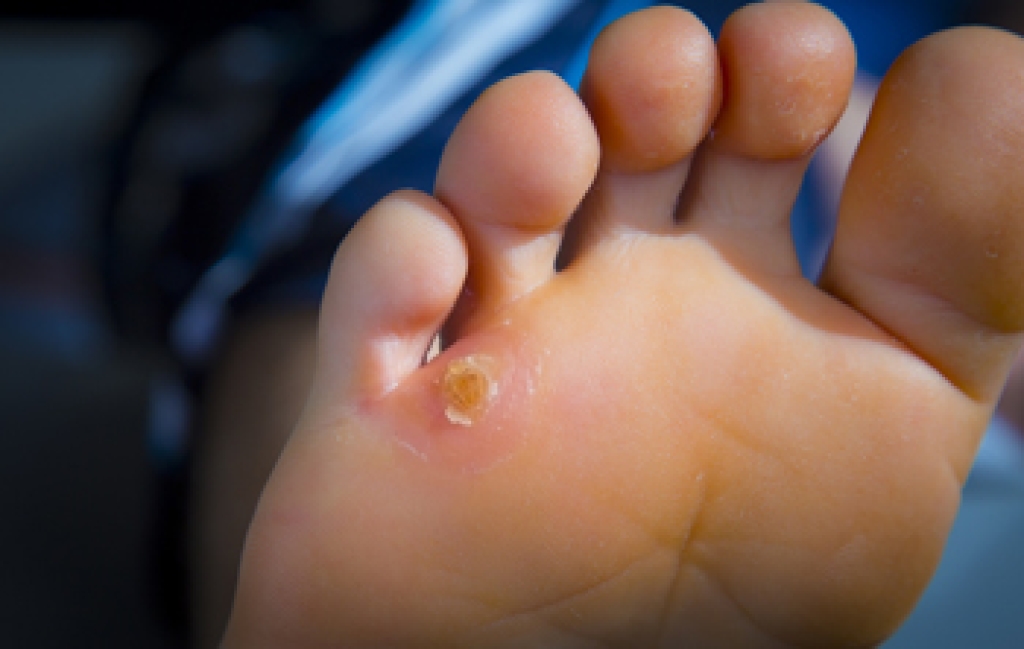
Corns are small, thickened areas of skin that develop when repeated pressure or friction affects the same spot on the foot. Unlike a callus, which usually covers a larger area, a corn is smaller and has a hard center that can press into deeper tissue. This pressure can make standing, wearing shoes, and walking uncomfortable. Corns frequently develop on the tops or sides of the toes, but they can also form on the bottom of the foot. Pain can become more noticeable when shoes press against the affected area. A podiatrist can determine whether the thickened skin is truly a corn or another condition that requires different treatment.
Repeated rubbing and pressure are the main causes of corns. Wearing shoes that do not fit properly can increase friction between the foot and the shoe. Shoes that lack proper support can place extra pressure on certain parts of the foot while walking. Foot problems like bunions or hammertoes can also change the way weight is distributed across the foot, increasing the chance that corns will develop. A podiatrist performs a careful examination to identify the source of the pressure causing the corn. X-rays are sometimes recommended when a structural foot problem is suspected. Identifying the underlying cause helps guide treatment and reduces repeated irritation.
Treatment focuses on relieving pressure and addressing the condition that caused the corn to develop. A podiatrist can safely remove the thickened skin without damaging the healthy tissue beneath it. Custom orthotics can improve foot alignment and reduce pressure on painful areas. Padding can also help protect the skin from continued friction. When a bunion, hammertoe, or another structural problem causes repeated corns, surgery can correct the deformity and reduce future pressure. Early treatment can improve comfort and make daily activities easier while helping protect the skin from further damage. If you have symptoms of corns, it is suggested that you make an appointment with a podiatrist for diagnosis and treatment.
Corns can make walking very painful and should be treated immediately. If you have questions regarding your feet and ankles, contact Dr. Thomas Madden of Advanced Foot Care Center. Our doctor will treat your foot and ankle needs.
Corns: What Are They? And How Do You Get Rid of Them?
Corns are thickened areas on the skin that can become painful. They are caused by excessive pressure and friction on the skin. Corns press into the deeper layers of the skin and are usually round in shape.
Ways to Prevent Corns
There are many ways to get rid of painful corns such as:
Treating Corns
Although most corns slowly disappear when the friction or pressure stops, this isn’t always the case. Consult with your podiatrist to determine the best treatment option for your case of corns.
If you have any questions, please feel free to contact our office located in Killeen, TX . We offer the newest diagnostic and treatment technologies for all your foot care needs.

Morton's neuroma affects the ball of the foot, most commonly between the third and fourth toes. It involves thickening of the tissue surrounding a nerve, often caused by repeated pressure or irritation. This condition is not a true tumor, but rather a response to chronic stress on the nerve. Activities that place strain on the forefoot, such as running or wearing tight footwear, can contribute to its development. Over time, the nerve becomes inflamed and enlarged, leading to discomfort that can interfere with walking and daily activities. Early understanding of this condition helps guide proper care and prevent worsening symptoms.
Symptoms of Morton's neuroma include a sharp or burning pain in the forefoot, numbness, and tingling that may radiate into the toes. Many individuals describe a sensation similar to standing on a small pebble inside the shoe. Pain often increases with activity or when wearing narrow shoes and may improve with rest. Risk factors include wearing high-heeled footwear, repetitive stress from sports, and foot structure issues such as high arches or flat feet. These factors increase pressure on the nerve and contribute to ongoing irritation that leads to symptom progression.
When conservative care does not provide relief, surgical treatment may be considered. Surgical procedures involve making a small, precise cut in the metatarsal bone to relieve pressure on the affected nerve. By redistributing weight across the forefoot, this technique reduces nerve compression while preserving foot function. Compared to traditional surgery, minimally invasive approaches often result in less tissue disruption, reduced pain, and faster recovery. This makes it an appealing option for individuals seeking effective and efficient treatment.
Recovery from Morton's neuroma treatment depends on the severity of the condition and the chosen intervention. Patients are typically guided through a structured plan that includes a gradual return to activity, proper footwear selection, and support for foot alignment. Addressing underlying risk factors is essential to prevent recurrence. With appropriate care, most individuals experience significant relief and improved mobility. If Morton's neuroma is affecting your daily comfort and activity level, it is suggested that you consult a podiatrist for effective treatment options for lasting relief.
Foot surgery is sometimes necessary to treat a foot ailment. To learn more, contact Dr. Thomas Madden of Advanced Foot Care Center. Our doctor will assist you with all of your foot and ankle needs.
When Is Surgery Necessary?
Foot and ankle surgery is generally reserved for cases in which less invasive, conservative procedures have failed to alleviate the problem. Some of the cases in which surgery may be necessary include:
What Types of Surgery Are There?
The type of surgery you receive will depend on the nature of the problem you have. Some of the possible surgeries include:
Benefits of Surgery
Although surgery is usually a last resort, it can provide more complete pain relief compared to non-surgical methods and may allow you to finally resume full activity.
Surgical techniques have also become increasingly sophisticated. Techniques like endoscopic surgery allow for smaller incisions and faster recovery times.
If you have any questions, please feel free to contact our office located in Killeen, TX . We offer the newest diagnostic and treatment technologies for all your foot care needs.

Plantar heel pain in athletes is a common overuse condition that affects the bottom of the heel and surrounding soft tissues. It often develops in individuals who participate in running, jumping, or high-impact sports that place repeated stress on the foot. The most common underlying issue associated with plantar heel pain is irritation of the plantar fascia, a thick band of tissue that supports the arch of the foot. In athletic populations, this condition is frequently linked to repetitive strain, improper training techniques, and biomechanical imbalances that increase stress on the heel during movement.
Symptoms of plantar heel pain in athletes typically begin gradually and may worsen if not addressed. Early signs include mild discomfort in the heel after physical activity, especially after running or jumping exercises. As the condition progresses, athletes may experience sharp or stabbing pain in the heel, particularly with the first steps in the morning or after periods of rest. Pain may also increase during training sessions and can affect performance, endurance, and overall mobility. Some athletes report tightness in the arch of the foot or a deep aching sensation that persists throughout the day.
Several risk factors contribute to the development of plantar heel pain in athletes. These include high training intensity, sudden increases in activity levels, and inadequate rest between workouts. Footwear that lacks arch support or cushioning can significantly increase stress on the heel. Athletes with flat feet, high arches, or tight calf muscles are also at higher risk due to altered foot mechanics. Running on hard surfaces or uneven terrain may further contribute to repetitive impact and strain on the plantar fascia and heel structures.
The primary causes of plantar heel pain in athletes involve repetitive microtrauma to the soft tissues of the foot. Over time, this repeated stress leads to inflammation, small tears, and irritation of the plantar fascia and surrounding structures. Poor biomechanics, such as overpronation or improper gait patterns, can place additional strain on the heel. Without proper intervention, the condition may become chronic and interfere with athletic performance and daily activities. Early recognition and treatment are essential for preventing long-term damage and maintaining foot health. If you are an athlete with heel pain, it is strongly suggested that you consult a podiatrist for a proper diagnosis and treatment.
Many people suffer from bouts of heel pain. For more information, contact Dr. Thomas Madden of Advanced Foot Care Center. Our doctor can provide the care you need to keep you pain-free and on your feet.
Causes of Heel Pain
Heel pain is often associated with plantar fasciitis. The plantar fascia is a band of tissues that extends along the bottom of the foot. A rip or tear in this ligament can cause inflammation of the tissue.
Achilles tendonitis is another cause of heel pain. Inflammation of the Achilles tendon will cause pain from fractures and muscle tearing. Lack of flexibility is also another symptom.
Heel spurs are another cause of pain. When the tissues of the plantar fascia undergo a great deal of stress, it can lead to ligament separation from the heel bone, causing heel spurs.
Why Might Heel Pain Occur?
Treatments
Heel pain should be treated as soon as possible for immediate results. Keeping your feet in a stress-free environment will help. If you suffer from Achilles tendonitis or plantar fasciitis, applying ice will reduce the swelling. Stretching before an exercise like running will help the muscles. Using all these tips will help make heel pain a condition of the past.
If you have any questions, please feel free to contact our office located in Killeen, TX . We offer the newest diagnostic and treatment technologies for all your foot care needs.