Your feet are covered most of the day. If you're diabetic, periodic screening is important for good health. Numbness is often a sign of diabetic foot and can mask a sore or wound.
Your feet are covered most of the day. If you're diabetic, periodic screening is important for good health. Numbness is often a sign of diabetic foot and can mask a sore or wound.

Sever’s disease is a painful heel condition that affects growing children, especially those who participate in running or jumping sports. It is not a disease in the usual sense but an irritation of the heel’s growth plate, which is the area where new bone is still forming. This growth plate sits at the back of the heel bone, near where the Achilles tendon attaches. When a child runs, jumps, or lands hard, repeated pulling and pressure can irritate this area. Soccer, basketball, gymnastics, and football can place extra stress on the heel.
Heel pain from Sever’s disease usually develops slowly. A child may describe the pain as feeling like a bruise at the back or bottom of the heel. The pain is usually worse with sports, running in cleats, or wearing shoes that lack adequate support. Swelling and bruising are not always seen. Some children limp, walk on their toes, or stop wanting to play. Tight calf muscles, flat feet, and high-arched feet can increase stress on the heel. A podiatrist can examine the heel, check the foot structure, and look at how the child walks.
Diagnosis does not rely on symptoms alone. A podiatrist can tell whether the pain is from Sever’s disease or another problem. X-rays can be ordered to check bone growth and rule out other causes of heel pain. A stress fracture, tendon irritation, or a bone cyst may produce similar symptoms. Treatment of Sever’s disease includes shoe changes, heel lifts, custom orthotics, and activity guidance based on the child’s exam. A podiatrist can also address tight calf muscles and foot mechanics that add strain to the heel. If your active child complains of heel pain, it is suggested that you schedule an appointment with a podiatrist for a diagnosis and effective relief tips.
Sever's disease often occurs in children and teens. If your child is experiencing foot or ankle pain, see Dr. Thomas Madden from Advanced Foot Care Center. Our doctor can treat your child’s foot and ankle needs.
Sever’s Disease
Sever’s disease is also known as calcaneal apophysitis, which is a medical condition that causes heel pain I none or both feet. The disease is known to affect children between the ages of 8 and 14.
Sever’s disease occurs when part of the child’s heel known as the growth plate (calcaneal epiphysis) is attached to the Achilles tendon. This area can suffer injury when the muscles and tendons of the growing foot do not keep pace with bone growth. Therefore, the constant pain which one experiences at the back of the heel will make the child unable to put any weight on the heel. The child is then forced to walk on their toes.
Symptoms
Acute pain – Pain associated with Sever’s disease is usually felt in the heel when the child engages in physical activity such as walking, jumping and or running.
Highly active – Children who are very active are among the most susceptible in experiencing Sever’s disease, because of the stress and tension placed on their feet.
If you have any questions, please feel free to contact our office located in Killeen, TX . We offer the newest diagnostic and treatment technologies for all your foot care needs.

Cracked heels develop when the skin around the heel becomes dry, thick, and less flexible. Some cracks remain shallow, while others become deeper and make daily activities uncomfortable. As pressure is placed on the heel during standing and walking, the skin may split, creating painful cracks known as fissures. Common symptoms of cracked heels include dry skin, rough patches, and heel pain. In more severe cases, the cracks may bleed or become irritated. People who spend long periods standing or have certain medical conditions may have a greater risk of developing cracked heels. Because untreated cracks can worsen, a professional evaluation is important to determine the severity of the condition and recommend appropriate treatment.
Cracked heels can affect more than comfort. Deep fissures may make walking painful and increase the risk of infection if the skin barrier is damaged. Ongoing heel pain may also change the way a person walks, placing extra stress on the ankles, knees, and hips. This altered movement can contribute to discomfort in other parts of the lower body. A thorough podiatry evaluation helps identify the underlying cause of cracked heels and determine whether additional foot conditions are contributing to the problem. Early diagnosis supports more effective treatment and helps prevent complications.
A podiatrist specializes in diagnosing and treating cracked heels while addressing the factors that contribute to the condition. Professional treatment focuses on reducing discomfort, improving skin health, and restoring normal foot function. A podiatrist also evaluates foot structure and walking mechanics to identify issues that may place excessive pressure on the heels. Early podiatry care can help prevent deeper cracks and reduce the risk of long-term complications. If cracked heels are causing pain or making it difficult to walk comfortably, it is suggested that you consult a podiatrist for an evaluation and appropriate treatment options.
If the skin on your feet starts to crack, you may want to see a podiatrist to find treatment. If you have any concerns, contact Dr. Thomas Madden from Advanced Foot Care Center. Our doctor can provide the care you need to keep you pain-free and on your feet.
Cracked Heels
It is important to moisturize your cracked heels in order to prevent pain, bleeding, and infection. The reason cracked heels form is because the skin on the foot is too dry to support the immense pressure placed on them. When the foot expands, the dry skin on the foot begins to split.
Ways to Help Heal Them
Ways to Prevent Cracked Heels
If you are unsure how to proceed in treating cracked heels, seek guidance from a podiatrist. Your doctor will help you with any questions or information you may need.
If you have any questions, please feel free to contact our office located in Killeen, TX . We offer the newest diagnostic and treatment technologies for all your foot care needs.
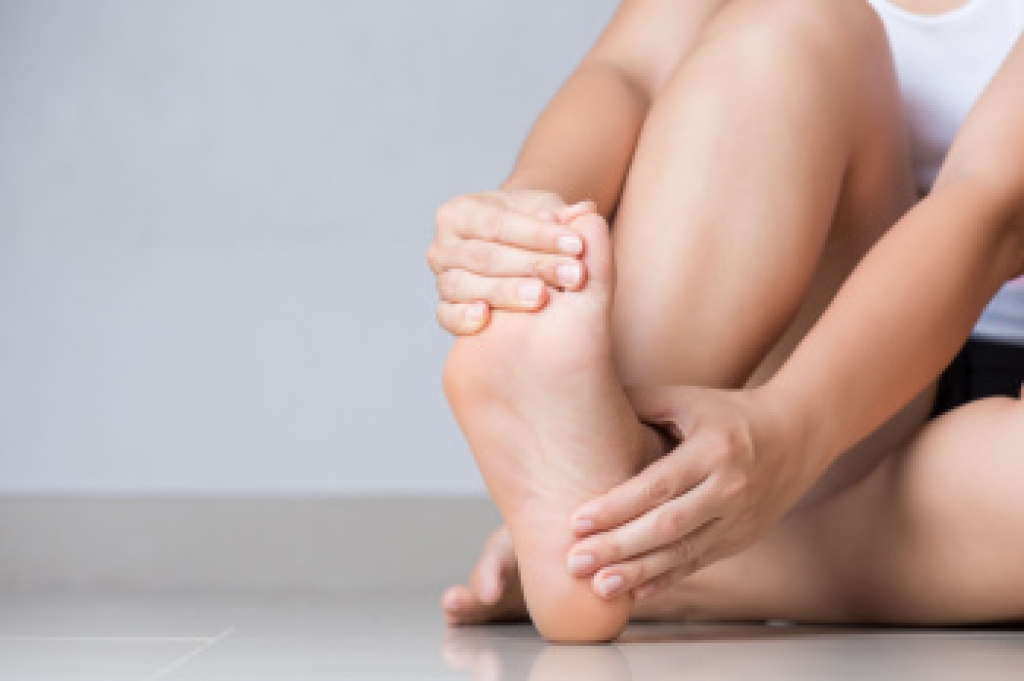
Foot and ankle stretches are an important part of any running routine. They help prepare the muscles, tendons, and ligaments for repetitive impact and movement. Without proper stretching, runners may develop tightness, reduced flexibility, and a higher risk of injury. Common causes of foot and ankle strain include overuse, wearing improper footwear, and poor running mechanics. Symptoms may include soreness, heel pain, and limited range of motion. Risk factors such as flat feet, high arches, and previous injuries can increase the likelihood of pain.
Stretching the small muscles of the toes and feet can improve strength and coordination. Simple activities like picking up small objects with the toes or even using a playful approach similar to moving game pieces in a Monopoly game can help activate these muscles. This type of exercise supports balance and improves foot control. Stronger intrinsic foot muscles can enhance stability and reduce stress on larger structures such as the plantar fascia and Achilles tendon.
Balance training is also essential for runners. Using a wobble board or balance board challenges the ankle joint and strengthens stabilizing muscles. To perform this exercise, stand on the board with both feet and gently shift weight from side to side. Maintain an upright posture and engage the core for stability. Start with short sessions and gradually increase duration as balance improves. This helps prevent ankle sprains and improves coordination during uneven terrain running.
Plantar stretching is another key component. Sit down and cross one leg over the other, then gently pull the toes back toward the shin until a stretch is felt along the arch. Hold for several seconds and repeat regularly. Consistent stretching improves flexibility, reduces tension, and supports better running mechanics. If you have foot pain from running or need guidance on proper stretching techniques, it is suggested that you consult a podiatrist for effective relief tips and additional stretching techniques.
Stretching the feet is a great way to prevent injuries. If you have any concerns with your feet consult with Dr. Thomas Madden from Advanced Foot Care Center. Our doctor will assess your condition and provide you with quality foot and ankle treatment.
Stretching the Feet
Being the backbone of the body, the feet carry your entire weight and can easily become overexerted, causing cramps and pain. As with any body part, stretching your feet can serve many benefits. From increasing flexibility to even providing some pain relief, be sure to give your feet a stretch from time to time. This is especially important for athletes or anyone performing aerobic exercises, but anyone experiencing foot pain or is on their feet constantly should also engage in this practice.
Great ways to stretch your feet:
Individuals who tend to their feet by regular stretching every day should be able to minimize foot pain and prevent new problems from arising.
If you have any questions please contact our office located in Killeen, TX . We offer the newest diagnostic and treatment technologies for all your foot and ankle needs.

Extra body weight places greater pressure on the feet with every step. This added stress can affect bones, joints, muscles, and soft tissues, making daily movement more difficult. People who are obese are more likely to experience heel pain, arch pain, and discomfort in the ball of the foot. The extra force can also change the way the feet move while walking, increasing strain on important structures that support the foot. Foot pain can make staying active more challenging, creating a cycle that affects both mobility and overall health. Research also shows that obesity is linked to reduced balance and higher pressure across the bottom of the feet, especially in weight-bearing areas. These changes can reduce comfort and increase fatigue throughout the day.
Obesity can also increase the risk of foot conditions that interfere with normal movement. Flat feet can become more noticeable because added weight places greater stress on the arch. Plantar fasciitis, which causes pain near the heel, can also develop from repeated strain. Arthritis can become more painful because the joints carry heavier loads while walking. A podiatrist carefully examines the feet, evaluates walking patterns, and identifies areas receiving too much pressure. This detailed assessment helps guide treatment that supports healthier foot function. Shoes that lack proper support can increase discomfort and reduce stability, making proper shoe selection an important part of care.
A podiatrist creates a treatment plan based on each patient's symptoms, foot structure, and daily activities. Treatment includes custom orthotics, wearing supportive shoes, and regular monitoring of foot health. Orthotics improve foot alignment and reduce pressure on painful areas. Regular evaluations help identify changes before problems become more serious. Early care can improve comfort, increase stability, and help people move with greater confidence. If you have symptoms of foot pain related to obesity, it is suggested that you schedule an appointment with a podiatrist for effective relief and treatment solutions.
Obesity has become very problematic at this point in time and can have extremely negative effects on the feet. If you’re an obese individual and are concerned about your feet, contact Dr. Thomas Madden from Advanced Foot Care Center. Our doctor can provide the care you need to keep you pain-free and on your feet.
Obesity and Your Feet
Since your feet are what support your entire weight when standing, any additional weight can result in pain and swelling. Being overweight is one of the main contributors to foot complications.
Problems & Complications
Extra Weight – Even putting on just a few extra pounds could create serious complications for your feet. As your weight increases, your balance and body will shift, creating new stresses on your feet. This uneven weight distribution can cause pain, even while doing the simplest tasks, such as walking.
Diabetes – People who are overweight are at serious risk of developing type-2 diabetes, which has a drastic impact on the health of your feet. As you get older, your diabetes might worsen, which could lead to loss of feeling in your feet, sores, and bruises. You could also become more prone to various infections.
Plantar fasciitis – Pressure and stress that is placed on muscles, joints, and tendons can trigger plantar fasciitis, which is an inflammation of tissue that forms along the bottom of the foot.
If you have any questions, please feel free to contact our office located in Killeen, TX . We offer the newest diagnostic and treatment technologies for all your foot care needs.