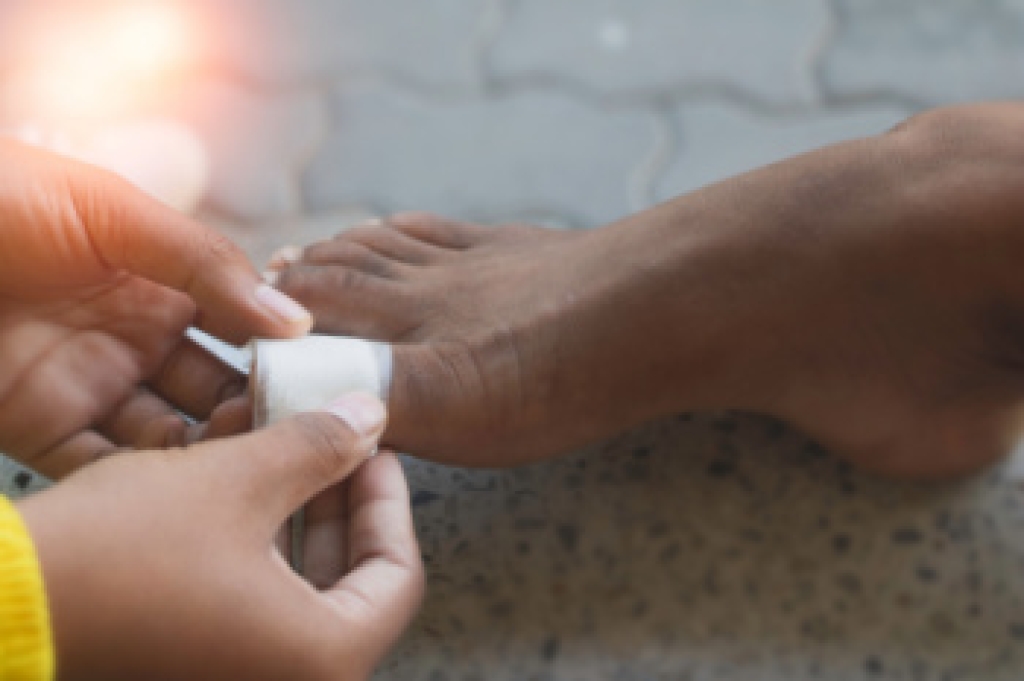
Blisters on the feet develop when repeated friction, pressure, or moisture damages the outer layers of skin. Common risk factors include poorly fitting shoes, stiff seams, increased walking or running volume, and sudden changes in activity. Excess moisture from sweating can soften skin, making it vulnerable to breakdown, while dry skin may crack and shear. Foot shape concerns like bunions, hammertoes, or prominent bones can increase pressure points, and gait issues can cause uneven rubbing in specific areas. Medical factors also play a role, including diabetes, circulation concerns, and reduced sensation, which can allow skin damage to progress unnoticed. A podiatrist can evaluate footwear fit, foot structure, and walking mechanics, address underlying deformities, and manage skin health. For help dealing with foot blisters, it is suggested that you make an appointment with a podiatrist for an exam, diagnosis, and treatment.
Blisters are prone to making everyday activities extremely uncomfortable. If your feet are hurting, contact Dr. Thomas Madden of Advanced Foot Care Center. Our doctor can provide the care you need to keep you pain-free and on your feet.
Foot Blisters
Foot blisters develop as a result of constantly wearing tight or ill-fitting footwear. This happens due to the constant rubbing from the shoe, which can often lead to pain.
What Are Foot Blisters?
A foot blister is a small fluid-filled pocket that forms on the upper-most layer of the skin. Blisters are filled with clear fluid and can lead to blood drainage or pus if the area becomes infected.
How Do Blisters Form?
Blisters on the feet are often the result of constant friction of skin and material, usually by shoe rubbing. Walking in sandals, boots, or shoes that don’t fit properly for long periods of time can result in a blister. Having consistent foot moisture and humidity can easily lead to blister formation.
Prevention & Treatment
It is important to properly care for the affected area in order to prevent infection and ease the pain. Do not lance the blister and use a Band-Aid to provide pain relief. Also, be sure to keep your feet dry and wear proper fitting shoes. If you see blood or pus in a blister, seek assistance from a podiatrist.
If you have any questions, please feel free to contact our office located in Killeen, TX . We offer the newest diagnostic and treatment technologies for all your foot care needs.