May 2024
Friday, 31 May 2024 00:00
Plantar Warts Can Be Treated!

Plantar warts are small growths that develop on parts of the feet that bear weight. They're typically found on the bottom of the foot. Don't live with plantar warts, and call us today!
Tuesday, 28 May 2024 00:00
Causes of Foot Pain

Foot pain is a common ailment that can stem from a variety of causes, significantly impacting mobility and quality of life. Injuries such as sprains, fractures, and tendonitis are frequent culprits. Various forms of arthritis, including osteoarthritis, rheumatoid arthritis, and gout, can also lead to foot pain due to joint inflammation and damage. Wearing ill-fitting footwear often increases foot discomfort, leading to issues like bunions, which are painful enlargements of the joint at the base of the big toe. Symptoms of foot pain can include a sharp or dull ache, swelling, stiffness, and a reduced range of motion. Typical treatment strategies include rest, and sometimes more targeted therapies like custom orthotic devices. If you have foot pain that persists or is worsening, it is suggested that you schedule an appointment with a podiatrist who can provide a comprehensive assessment and tailored treatment options to alleviate pain and prevent further complications.
Foot Pain
Foot pain can be extremely painful and debilitating. If you have a foot pain, consult with Dr. Thomas Madden from Advanced Foot Care Center. Our doctor will assess your condition and provide you with quality foot and ankle treatment.
Causes
Foot pain is a very broad condition that could be caused by one or more ailments. The most common include:
- Bunions
- Hammertoes
- Plantar Fasciitis
- Bone Spurs
- Corns
- Tarsal Tunnel Syndrome
- Ingrown Toenails
- Arthritis (such as Gout, Rheumatoid, and Osteoarthritis)
- Flat Feet
- Injury (from stress fractures, broken toe, foot, ankle, Achilles tendon ruptures, and sprains)
- And more
Diagnosis
To figure out the cause of foot pain, podiatrists utilize several different methods. This can range from simple visual inspections and sensation tests to X-rays and MRI scans. Prior medical history, family medical history, and any recent physical traumatic events will all be taken into consideration for a proper diagnosis.
Treatment
Treatment depends upon the cause of the foot pain. Whether it is resting, staying off the foot, or having surgery; podiatrists have a number of treatment options available for foot pain.
If you have any questions, please feel free to contact our office located in Killeen, TX . We offer the newest diagnostic and treatment technologies for all your foot care needs.
Tuesday, 21 May 2024 00:00
Ingrown Toenail Management Techniques
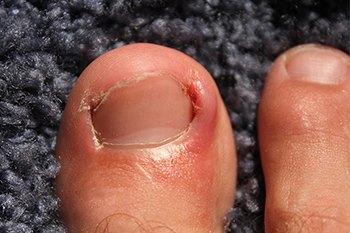 Ingrown toenails occur when the edges of a toenail grow into the surrounding skin. This commonly causes pain, redness, and swelling. Effective management techniques include proper toenail trimming, such as cutting nails straight across without rounding the corners and wearing shoes that provide ample space for the toes. This is because excessive pressure on the nails is partly what leads to ingrown toenails. For recurring or severe cases, a podiatrist, or foot doctor, can offer professional treatments. One treatment includes lifting the nail edge and placing a small splint to allow the nail to grow above the skin level. In some instances, a minor surgical procedure might be necessary. In this case, a podiatrist removes part of the offending nail and may treat the nail bed to prevent the problematic portion of the nail from growing back. Podiatrists can also provide guidance on foot hygiene and footwear to prevent future ingrown toenails. Addressing ingrown toenails professionally helps both reduce pain and prevent infections. If you are suffering from an ingrown toenail, it is suggested that you consult with a podiatrist for care.
Ingrown toenails can become painful if they are not treated properly. For more information about ingrown toenails, contact Dr. Thomas Madden of Advanced Foot Care Center. Our doctor can provide the care you need to keep you pain-free and on your feet.
Ingrown Toenails
Ingrown toenails occur when a toenail grows sideways into the bed of the nail, causing pain, swelling, and possibly infection.
Causes
- Bacterial infections
- Improper nail cutting such as cutting it too short or not straight across
- Trauma to the toe, such as stubbing, which causes the nail to grow back irregularly
- Ill-fitting shoes that bunch the toes too close together
- Genetic predisposition
Prevention
Because ingrown toenails are not something found outside of shoe-wearing cultures, going barefoot as often as possible will decrease the likeliness of developing ingrown toenails. Wearing proper fitting shoes and using proper cutting techniques will also help decrease your risk of developing ingrown toenails.
Treatment
Ingrown toenails are a very treatable foot condition. In minor cases, soaking the affected area in salt or antibacterial soaps will not only help with the ingrown nail itself, but also help prevent any infections from occurring. In more severe cases, surgery is an option. In either case, speaking to your podiatrist about this condition will help you get a better understanding of specific treatment options that are right for you.
If you have any questions please feel free to contact our office located in Killeen, TX . We offer the newest diagnostic and treatment technologies for all your foot and ankle needs.
Tuesday, 14 May 2024 00:00
Arthritic Foot Pain

Foot pain caused by arthritis can be debilitating, affecting mobility and quality of life. Arthritis in the feet often presents with symptoms such as joint stiffness, swelling, tenderness, and reduced range of motion. This pain may worsen with activity and improve with rest, making it challenging to engage in daily tasks comfortably. Different types of arthritis can affect the feet, including osteoarthritis, rheumatoid arthritis, and gout. Osteoarthritis typically develops due to wear and tear on the joints over time, while rheumatoid arthritis is an autoimmune condition that affects the lining of the joints. Gout results from the accumulation of uric acid crystals in the joints. If you have foot pain that persists or worsens, especially if accompanied by other symptoms like swelling or warmth in the joints, it is suggested that you schedule an appointment with a podiatrist for an accurate diagnosis and treatment. If the pain is determined to be arthritic, a podiatrist can offer relief methods to help maintain mobility and enhance your quality of life.
Arthritis can be a difficult condition to live with. If you are seeking treatment, contact Dr. Thomas Madden from Advanced Foot Care Center. Our doctor can provide the care you need to keep you pain-free and on your feet.
Arthritic Foot Care
Arthritis is a joint disorder that involves the inflammation of different joints in your body, such as those in your feet. Arthritis is often caused by a degenerative joint disease and causes mild to severe pain in all affected areas. In addition to this, swelling and stiffness in the affected joints can also be a common symptom of arthritis.
In many cases, wearing ill-fitting shoes can worsen the effects and pain of arthritis. Wearing shoes that have a lower heel and extra room can help your feet feel more comfortable. In cases of rheumatoid arthritis, the arch in your foot may become problematic. Buying shoes with proper arch support that contour to your feet can help immensely.
Alleviating Arthritic Pain
- Exercises that stretch the foot can prevent further pain and injury and increase mobility
- Most of the pain can be alleviated with anti-inflammatory drugs, heat, and topical medications
- Massages can help temporarily alleviate pain.
It is best to see your doctor for the treatment that is right for your needs and symptoms. Conditions vary, and a podiatrist can help you determine the right method of care for your feet.
If you have any questions, please feel free to contact our office located in Killeen, TX . We offer the newest diagnostic tools and technology to treat your foot and ankle needs.
Tuesday, 07 May 2024 00:00
Causes and Common Triggers of Heel Pain
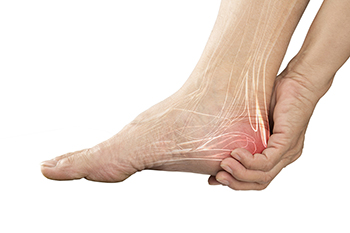
Heel pain can stem from various factors, affecting individuals of all ages and activity levels. Primarily localized to the underside or back of the heel, this discomfort can significantly impact mobility and quality of life. The causes of heel pain are multifaceted, with common culprits including plantar fasciitis, Achilles tendonitis, heel spurs, and stress fractures. Plantar fasciitis, caused by inflammation of the thick band of tissue that connects the heel to the toes, often arises from overuse, improper footwear, or biomechanical issues. Achilles tendonitis, involving inflammation of the Achilles tendon, commonly results from overuse or sudden increases in activity level. Heel spurs, bony growths on the underside of the heel bone, can develop due to repetitive stress or poor foot mechanics. Stress fractures, small cracks in the heel bone, may occur from overtraining or sudden changes in activity. If you have heel pain, it is strongly suggested that you consult a podiatrist who can determine the cause and offer you appropriate relief and treatment solutions.
Many people suffer from bouts of heel pain. For more information, contact Dr. Thomas Madden of Advanced Foot Care Center. Our doctor can provide the care you need to keep you pain-free and on your feet.
Causes of Heel Pain
Heel pain is often associated with plantar fasciitis. The plantar fascia is a band of tissues that extends along the bottom of the foot. A rip or tear in this ligament can cause inflammation of the tissue.
Achilles tendonitis is another cause of heel pain. Inflammation of the Achilles tendon will cause pain from fractures and muscle tearing. Lack of flexibility is also another symptom.
Heel spurs are another cause of pain. When the tissues of the plantar fascia undergo a great deal of stress, it can lead to ligament separation from the heel bone, causing heel spurs.
Why Might Heel Pain Occur?
- Wearing ill-fitting shoes
- Wearing non-supportive shoes
- Weight change
- Excessive running
Treatments
Heel pain should be treated as soon as possible for immediate results. Keeping your feet in a stress-free environment will help. If you suffer from Achilles tendonitis or plantar fasciitis, applying ice will reduce the swelling. Stretching before an exercise like running will help the muscles. Using all these tips will help make heel pain a condition of the past.
If you have any questions please contact our office located in Killeen, TX . We offer the newest diagnostic and treatment technologies for all your foot and ankle needs.
Wednesday, 01 May 2024 00:00
Arthritis Can Cause Pain in the Feet and Ankles

If you are suffering from tenderness, pain, or stiffness in the joints of your feet or ankles, call us to schedule an appointment.